Recycling and Sustainability for Gardeners London
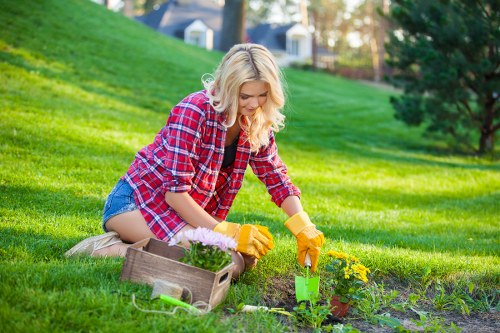 At Gardeners London we believe every lawn, border and community plot can contribute to a greener city. This page outlines our practical approach to recycling and sustainability, our measurable targets and the local partnerships that help us reduce waste and build healthier soil across boroughs. Whether you're one of our professional teams or a neighbour noticing a van pass by, the work we do supports local circular systems and sustainable gardening practices across London.
Our Recycling Percentage Target
We have set a clear, ambitious target of a 60% recycling rate for all garden-related waste streams within our operations by 2028. This target covers green waste, wood, soil reuse and container recycling collected as part of our gardening services. Gardeners in London must be accountable: we track tonnages collected, routed to composting and transferred for reuse, and publicly report progress in our annual sustainability summary.
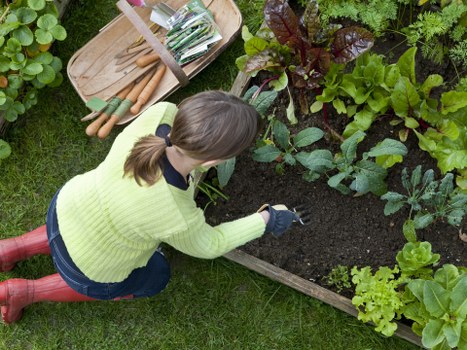 Across different boroughs, local waste separation schemes vary. Some boroughs run kerbside collections for garden waste and food waste separately, while others offer communal green bins or permit-based brown bin services. Our teams align with borough-specific rules ??? for example, segregating soil and turf for reuse where allowed, or preparing wood and branches for chipping and biomass processing when the borough permits mixed green waste. To support this we follow these core recycling activities:
- Composting and green waste diversion ??? turning clippings and prunings into quality compost.
- Timber and wood chipping ??? reprocessing branches into mulch and biomass fuel.
- Topsoil and turf reuse ??? verifying contaminants and returning clean soil to landscapes.
- Container and plastic pot recycling ??? consolidating pots for specialist recyclers.
Local Transfer Stations and Material Handling
We work closely with an established network of local transfer stations and consolidation points across North, South, East and West London. These facilities act as intermediate hubs where London gardeners can bring separated loads ??? green waste, wood, and clean soil ??? to be sorted and sent on to composting sites or approved processors. Using nearby transfer stations reduces haulage distances, keeps emissions lower and speeds up turnaround so materials return to productive use quickly.
Through coordinated scheduling we ensure fewer partial loads and fuller vehicle runs. That approach reduces vehicle miles and improves efficiency for both our teams and the wider Gardeners London network.
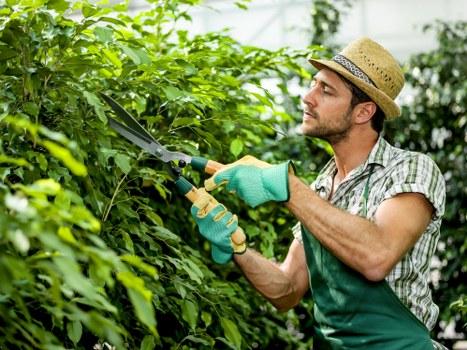 Partnerships with charities and community organisations are central to our reuse model. Rather than sending perfectly usable mulch, soil or plants to landfill, we donate surplus compost or clean topsoil to community gardens, school projects and urban farms. We maintain formal relationships with local charities that specialise in community growing, ecological restoration and social horticulture, enabling materials to be used where they benefit people as well as the environment.
Examples of partnership activity include:
- Supplying compost to community allotments and educational garden projects.
- Providing chipped wood as bark mulch to urban planting schemes.
- Working with charities to run reuse clinics ??? rehoming pots, tools and plant stock.
These collaborations extend the life of garden materials, foster local stewardship and support social value in the neighbourhoods where our teams operate.
We also invest in a lower-carbon fleet to deliver services across the capital. Our low-carbon vans ??? a mix of electric vans for inner London borough routes and efficiently fuelled hybrids for longer suburban runs ??? are key to reducing operational emissions. All routes are optimised with route-planning software so that multiple jobs are batched, limiting empty running and unnecessary detours. Low-emission transport is a practical lever for cutting the carbon footprint of landscaping while keeping service levels high.
Beyond vehicles, we promote tool electrification for hedge trimmers and mowers where battery technology meets job demands. This reduces petrol use on site and lowers noise pollution in residential areas.
Gardeners London technicians undergo training on load segregation and safe material handling so materials arriving at transfer stations meet the acceptance criteria and avoid costly contamination.
 Measuring progress is essential. We conduct quarterly audits of waste streams and publish an internal dashboard tracking recycling percentages, tonnages of compost produced or donated, miles saved through route optimisation and percentage of journeys served by electric vehicles. Our aim is to reach and sustain the 60% recycling rate and to continue driving down per-job emissions year-on-year.
We are realistic: some materials require specialist processing outside London and some borough regulations limit reuse pathways. Where that happens we prioritise the highest-value environmental outcomes, such as diverting woody material to chipping facilities and routing contaminated soils to accredited remediation partners.
Training and continuous improvement remain critical???teams are encouraged to identify practical on-site changes that increase diversion rates and improve resource value.
 In summary, our approach to recycling and sustainability for gardeners in London combines a measurable recycling percentage target, strategic use of local transfer stations, strong partnerships with charities and community growers, and a modern low-carbon van fleet. London gardeners participating in this approach help keep organic materials in productive circulation, reduce greenhouse gas emissions and support green spaces that benefit everyone.
We invite local planting groups and community gardens to collaborate on material reuse when possible and for everyone ??? from professional landscapers to home gardeners ??? to adopt practical waste separation habits aligned with their borough's guidance. Together we can build a resilient, circular model for urban gardening across the capital.
Gardeners London continues to refine its recycling and sustainability practices, reporting openly on performance and seeking new partnerships that amplify impact across boroughs. By combining operational changes with community-focused reuse, we make sustainable gardening a viable, measurable reality for the city.