Gardeners in London for practical, well-planned outdoor maintenance and improvements

We provide gardeners in London for homeowners, landlords and managing agents who want reliable help with everyday garden care and more substantial outdoor improvements. Our service covers regular maintenance, one-off tidy work and selected soft landscaping tasks, so you can keep outside spaces neat, usable and easier to manage throughout the year. If you are comparing options, start with the garden services page and then use this homepage to understand the main ways we can support your garden.
Typical work includes mowing, cutting back growth, hedge trimming, garden clearance and related upkeep that keeps borders, lawns and paths in better condition. Where a space needs a fuller reset, we can also help with layout changes and practical finishing touches. For a broader overview of our offer, see the gardening services page, which sits alongside the core maintenance work described here.
If you need a clear starting point, tell us what the garden looks like, what you want to improve and whether the work is for a private home, rented property or communal space. We use those details to shape a sensible quotation and to match the work to the condition of the site. If you are ready to move on, send your enquiry when convenient and we will take it from there.
Regular garden maintenance that keeps outdoor areas under control
Routine maintenance is often the simplest way to keep a garden from becoming overwhelming. We can carry out ongoing visits or occasional catch-up work, depending on how quickly the space grows and how much upkeep it needs. This can include mowing, edging, weeding, light pruning, leaf clearance and general tidying, all carried out with a practical finish in mind rather than cosmetic overstatement. The aim is to leave the garden manageable and ready for ordinary use.
For lawns and larger planted areas, consistent attention usually gives the best result because it prevents problems from building up. If the turf is already uneven or tired, a maintenance plan may be combined with overseeding, top dressing or recommendations for future improvement. Where a lawn needs specialist work, the lawn mowing page gives a useful starting point, and the broader lawn mowing services page helps if you are looking at regular grass care rather than a single visit.
Some customers only need seasonal help, while others prefer a recurring schedule that keeps hedges, borders and grass under control through the growing months. Either approach can be sensible, and the right choice depends on the condition of the garden and how much time you want to spend on it yourself. A short written outline is often enough to begin, but photographs can help when there are access issues, awkward corners or areas of heavy growth. That makes the quotation more accurate and reduces guesswork.
Clearance, cutting back and heavier garden tidy work
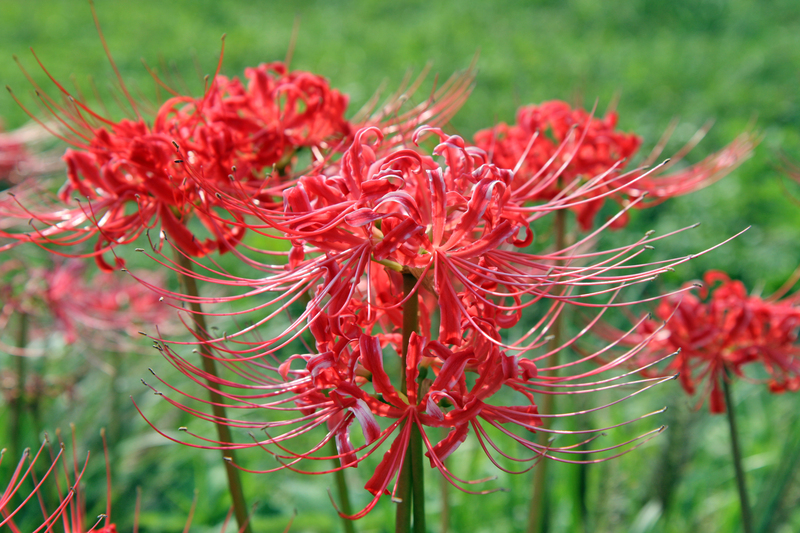
Some gardens need more than routine maintenance. Where borders have become overgrown, paths are blocked or waste has built up, garden clearance can restore order quickly and create a better base for later work. Our approach is practical and selective: we remove unwanted growth, cut back excess material and clear the site so the remaining features are easier to see and use. If you are comparing options for this type of work, the garden clearance page explains the service area in more detail.
Heavier tidy work may also include shrub reduction, bramble removal, seasonal cut-backs and preparing a neglected garden for ongoing care. This is not the same as a full redesign; it is more about making the space safe, accessible and workable again. If trees are part of the problem, related services are also available, including tree cutting service and tree surgeon pages for more specialised arboricultural work where appropriate.
The most useful quotations are based on the practical factors that change the labour involved: site access, volume of waste, density of growth and whether the waste can be removed in one visit or needs staged attention. When you contact us, a brief description is useful, and so are any details about gates, side access or parking restrictions. Accurate information saves time and makes it easier to recommend the right level of work without overcomplicating the process.
Soft landscaping and garden changes beyond basic upkeep
Not every outdoor job is maintenance. We also help with soft landscaping tasks that change the feel or function of a garden without moving into heavy construction. That can include new turf, border reshaping, planting arrangements and other practical adjustments that improve how the space works. The landscape gardening page and the related landscaping page are useful if you want a broader view of the options available.
Where ground needs renewing, turf installation can be part of the plan. Fresh lawn can make a space feel more complete, but it works best when the underlying preparation is done properly, including surface levelling and removal of poor material if needed. For that reason, the lawn turf installation page may be relevant if your project includes replacing tired grass with a cleaner finish. Planting, bed definition and simple layout changes can then be built around the new surface.
We keep this kind of work grounded in the condition of the site, the amount of preparation required and the result you want to achieve. That means it can suit small enclosed gardens as well as larger, more open spaces. A clear brief helps us suggest the most sensible sequence of tasks, and it is usually better to separate essential preparation from decorative additions so the work stays efficient and the budget stays under control.
Hedges, lawn edges and the details that sharpen a garden

Small finishing jobs often make the biggest visual difference. Crisp hedge lines, clean lawn edges and tidier borders can change the feel of a whole garden even when nothing major has been altered. Our hedge work is handled with shape, height and growth habit in mind, so the result suits the plant rather than forcing it into an unnatural form. If hedge care is your main concern, the hedge trimming page is the most direct destination.
Grass cutting is another important part of keeping a garden looking orderly. Regular cuts prevent the lawn from becoming coarse and uneven, and they help define paths, beds and seating areas more clearly. For a narrower service view, the grass cutting page and the grass cutting service page both support customers who are mostly focused on turf care. These are often the simplest jobs to schedule, but they still benefit from a careful finish.
If you are planning multiple small tasks, it can be efficient to combine them into one visit rather than treating each item separately. Hedges, grass and border tidying often complement one another, and a quotation can reflect that joined-up approach. The key decisions are usually height, access and the amount of clipping or cut material involved, especially where waste collection needs to be arranged as part of the job.
About London

London is a large and historically layered city shaped by the River Thames, whose bends and crossings have influenced settlement, trade and movement for centuries. The modern city contains the ancient core of the City of London as well as the wider metropolis that expanded through Westminster, Southwark, the river-front districts and the many suburban boroughs that grew with railways and buses. Its built environment ranges from surviving medieval church fragments and Georgian terraces to Victorian public buildings, interwar estates and contemporary towers. The city’s transport network, including the Underground, mainline rail stations, river services and extensive bus routes, has long linked local neighbourhoods to the centre and to one another. Public parks such as Hyde Park, Regent’s Park and Hampstead Heath sit alongside smaller squares, commons and garden spaces that give the city a patchwork of open areas. Museums, theatres, markets and galleries add cultural depth, while borough identities remain strong in places such as Camden, Greenwich, Hackney, Lambeth and Kensington. The Thames continues to act as both a geographic spine and a symbolic divide, with bridges, embankments and waterfront paths connecting districts on either side. London’s architecture is especially varied because rebuilding after the Great Fire, wartime damage and later redevelopment created repeated layers of streets and styles. Yet despite that constant change, older lanes, conservation areas and civic landmarks still sit within a city that is unmistakably metropolitan, densely settled and internationally significant.
Fencing, boundaries and functional outdoor structures
Gardens often need more than planting and mowing; they also need structure. Fencing can provide privacy, define boundaries and make a property feel more orderly, particularly where old panels have failed or where boundary lines need to be made clearer. We offer practical help with replacement and installation, depending on the condition of the site and the style that best suits it. The relevant pages are garden fence installation, garden fence replacement and garden fencing.
Other structures can also make a garden more usable. Decking can create a level area for sitting, movement or dividing a space into clearer zones, and it is often chosen where uneven ground makes patios or lawns less convenient. If that is part of your plan, visit the decking services page or the more specific garden decking service page. These options are best considered alongside access, drainage and the intended daily use of the area.
For property managers and homeowners alike, the main decision is whether a boundary or structure is simply worn out, or whether it should be redesigned to solve a practical issue. Replacement may be enough in many cases, but a new installation can also be sensible when the garden layout is changing. We can discuss the work in straightforward terms and keep the scope focused on what is genuinely needed.
Planning, pricing and what to include with your enquiry

Good quotations begin with clear information about the task itself. A short description of the garden, the main jobs you want done and any access limits usually gives enough context for a first estimate. If you have a list of separate items, it can help to order them by priority, especially where some jobs must happen before others. Our pricing and quotes page is useful if you want to understand how enquiries are handled and what affects the shape of a quotation.
Photos can also help, particularly where the garden is overgrown, there are broken features or the site has hard-to-see corners. If you can mention gates, parking, shared access or waste removal needs, that makes it easier to judge the work properly. You do not need to over-explain, but the more specific the details, the more likely the quote will reflect the actual labour involved. Keep it simple: what needs doing, how much there is and what access we have to work with.
When you are ready, the best next step is to ask for a quotation and include the essentials in one message. If you want to go further after that, our contact us page is the place to send the details and begin the process. You can also browse the full range of service pages first, then come back with a focused enquiry once you know which tasks matter most.
Seasonal work, repeat visits and choosing the right level of help
Gardens change through the year, so the right service is not always the same in spring, summer, autumn and winter. In the growing season, lawns and hedges usually need more frequent attention, while autumn often brings leaf clearing and a general reduction in volume before winter sets in. A one-off tidy may be enough after a period of neglect, but repeat visits can be a better fit where the garden quickly becomes unmanageable. The aim is to match the work to the rhythm of the site rather than force a fixed pattern.
Some customers want a light-touch service that keeps things neat, while others prefer more active intervention where shrubs, lawns and boundaries all need attention at the same time. A practical comparison is often the easiest way to decide: do you need regular maintenance, a single tidy, or a more substantial improvement plan? If the answer is uncertain, a brief description of your priorities usually helps us suggest the most sensible route. The result should feel orderly, not overdone.
Whether the job is simple or more involved, the value is in making the outside space easier to use and easier to keep in shape. That can mean opening up paths, reducing cluttered growth, or just making sure the main features are visible and cared for. Ask for a quotation when you are ready, and include enough detail for us to advise on the right scope.
Project support, useful extras and final considerations
Some gardens benefit from combining several small jobs into one organised visit. For example, hedge work, mowing and clearance may be planned together so the garden is cut back, levelled and tidied in a sensible sequence. In other cases, a simpler approach is best: focus on one main issue first, then return later for finishing work or longer-term improvement. Either way, the objective is a garden that looks cared for and functions properly for the people who use it.
Where the work calls for more than maintenance, we can also help shape the broader plan so the different parts of the garden work together. That might include a more even lawn, better-defined boundaries or a clearer layout between planting and open space. If you need to compare service types, the main pages linked above are the best starting points because they separate routine care, clearance, landscaping and structure-related work into clearer categories.
For the final step, use the contact route that suits you best and ask for a quotation based on the actual tasks you want completed. We keep the process straightforward, with a practical emphasis on the work itself, the condition of the garden and the time it will reasonably take. If you are ready, send the details and let us help you plan the next stage.


