Gardeners London: Insurance and Safety Practices
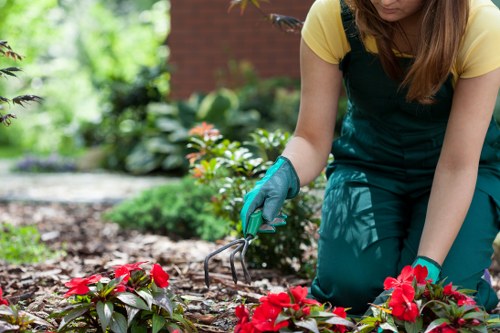 Gardeners London teams carry a responsibility beyond creating beautiful outdoor spaces: the safety of clients, the general public and their staff. This page explains how our London gardeners manage risk through comprehensive public liability insurance, robust staff training, appropriate personal protective equipment and a systematic risk assessment process. Whether you are hiring professional gardeners in London or simply researching best practices, this overview outlines the standards expected of reliable gardening services.
Our commitment to safety starts with clear, documented insurance cover. Public liability insurance protects both the gardening crew and property owners in the event of accidental injury or damage while work is carried out. For gardeners in London, this insurance typically covers incidents such as slipped tools, accidental harm to a passerby, or damage to neighbouring property caused by falling branches or debris. Maintaining an appropriate level of cover is a non-negotiable industry standard.
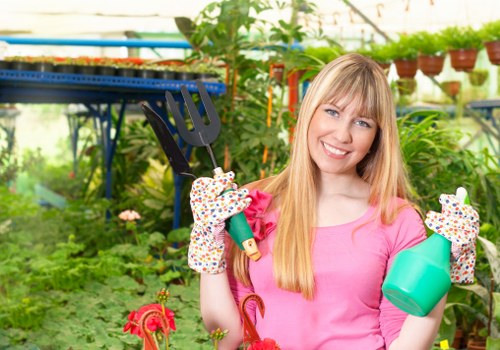
Public Liability Insurance Explained
Why it matters: Liability insurance ensures claims are handled professionally and swiftly without leaving homeowners exposed to legal or financial risk. For London gardening professionals, policies normally specify:
- Limits of indemnity (the maximum amount payable per claim)
- Types of work covered (e.g., pruning, planting, hedge cutting)
- Exclusions and responsibilities of the insured
When contracting gardeners London clients should ask for proof of current insurance and verify the policy scope for the specific work to be undertaken.
Staff Training and Competency
Skilled gardeners in London aren???t just experienced in horticulture; they are trained in safe working methods. Training programmes typically include chainsaw and powered tool certification, first aid, manual handling, ladder safety and traffic awareness when working near roads. A professional London gardening team will keep training records, carry relevant qualifications and ensure that new staff complete inductions highlighting site-specific hazards.
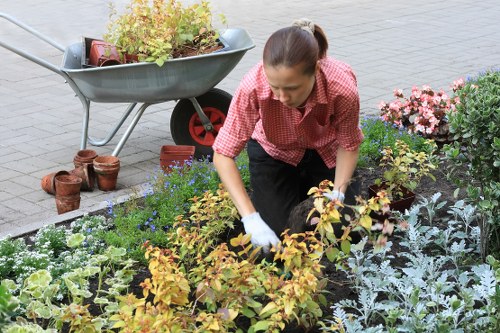
Practical Training Components
Key elements of staff training include:
- Tool operation and maintenance: Correct use of mowers, strimmers and saws to reduce wear and prevent accidents.
- Emergency response: Basic first aid and procedures for reporting and recording incidents.
- Environmental awareness: Safe handling of chemicals and plant materials to protect biodiversity and neighbours.
Regular toolbox talks and refresher sessions are important to reinforce safe habits and adapt to changing site conditions.
Personal Protective Equipment (PPE)
PPE is an essential component of safety for gardeners in London. The correct PPE reduces exposure to hazards and is chosen based on the specific task. Typical items include protective gloves, eye protection, hearing protection for loud equipment, high-visibility clothing when near roads, steel-toe boots and appropriate respiratory protection when applying dust-generating work or chemicals. A professional gardening crew will perform a task-specific assessment to determine PPE needs and ensure items are well-maintained.

Selection and Maintenance of PPE
PPE selection follows a hierarchy of control: eliminate or reduce risk first, then provide suitable protective gear. Employers and team leaders are responsible for supplying PPE, training staff in its use and replacing damaged items. Park and private garden work may have different PPE requirements compared with commercial or high-traffic urban sites, so adaptability is key.
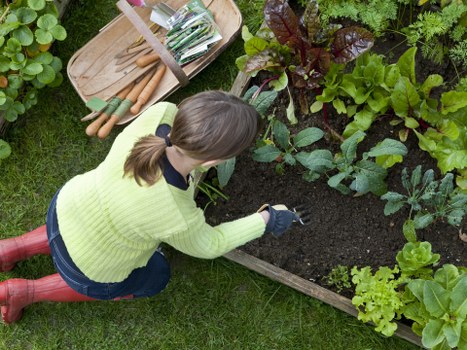
Risk Assessment Process
The risk assessment process is the backbone of safe gardening practices. A thorough assessment identifies hazards, evaluates who may be harmed and implements suitable controls. The process used by London gardening services typically follows these steps:
- Site reconnaissance to identify physical hazards such as uneven ground, overhead lines, gates and public access points.
- Task analysis to list potential risks for each activity (chemical use, machinery operation, working at height).
- Control measures selection, choosing methods that eliminate risks or reduce them to acceptable levels.
- Documentation and communication so all team members and relevant property occupants understand the plan.
- Review and revise after completion or when conditions change.
Good risk management balances safety, efficiency and environmental sensitivity while maintaining service quality. For gardeners London clients can expect clear records of assessments and visible implementation of the identified controls.
Working Safely in Diverse London Environments
The urban context of London requires additional considerations: pedestrians, traffic, public transport nodes and environmental regulations influence how work is planned and executed. London gardening teams use signage, safe access controls and scheduling to minimise disruption and keep the public safe. Communication with property occupants and neighbours is part of the risk-reduction strategy, without revealing private information or details about clients.
Finally, fostering a safety-first culture within any gardening business improves outcomes. Encouraging staff to report hazards, conducting post-job reviews and investing in modern equipment all contribute to measurable reductions in incidents. Reliable gardeners in London combine professional horticultural skills with documented safety processes to deliver a service that respects both people and property.